Stop Waiting for the Algorithm: Smarter Ways to Find Your Next Favorite Show First
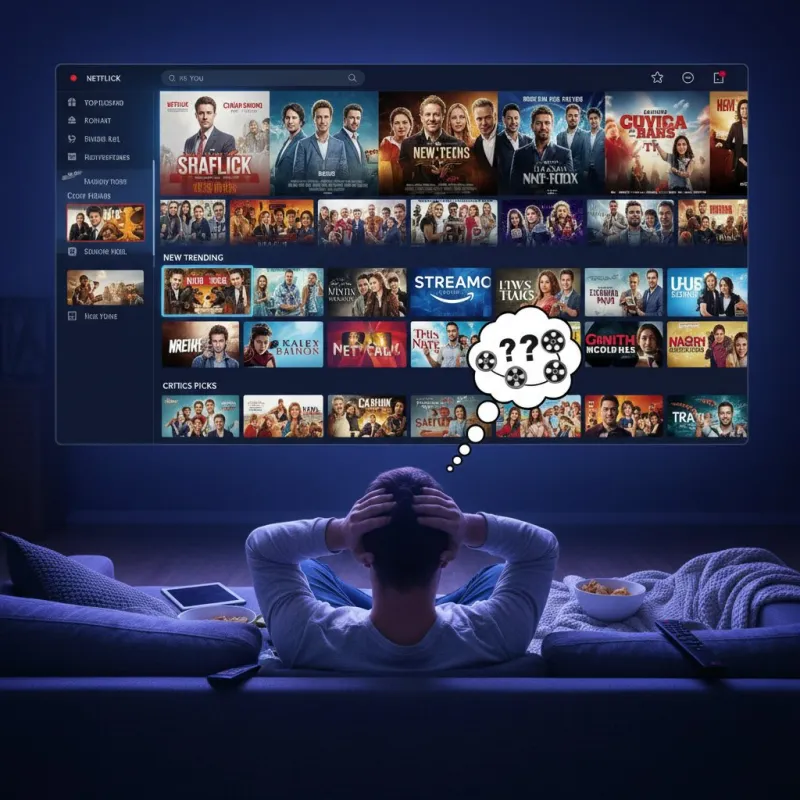
Let's be honest — the last five shows you watched were probably suggested by a platform that already knew exactly what you'd click on. That's not discovery. That's a feedback loop wearing a trench coat and pretending to be your friend.
Streaming services spend billions of dollars on recommendation engines, but here's the thing most people don't realize: those algorithms aren't built to surprise you. They're built to reduce churn. The goal is to keep you watching something long enough that you don't cancel your subscription. Genuine discovery — the kind that leads you to a slow-burn Korean thriller or an underseen documentary that completely rewires how you think — is almost accidental when you leave it up to the machine.
So if you're tired of seeing the same ten titles reshuffled every time you open Netflix, Hulu, or Max, it's time to take matters into your own hands.
Why Recommendation Algorithms Work Against You (Sometimes)
Here's the short version of how these systems work: they analyze your watch history, compare it to millions of other users with similar patterns, and surface content that statistically similar viewers also watched. It sounds smart, and in many ways it is. But there's a major blind spot baked into the model.
Algorithms are inherently backward-looking. They optimize based on what you've already done, which means they're constantly steering you toward the familiar. Watch one true crime docuseries and suddenly your entire homepage is a crime scene. Finish a romantic comedy and prepare to be buried under a mountain of meet-cutes for the next three weeks.
Worse, the system tends to favor content that already has momentum — titles with high engagement metrics, recent releases getting promotional push, or catalog shows that have been algorithmically resurrected because someone famous tweeted about them. The quiet, weird, critically underrated stuff? It often doesn't generate the engagement signals that get it recommended at scale. It just sits there, waiting for someone curious enough to find it.
The Cross-Platform Search Trick Most People Skip
One of the simplest and most underused strategies for finding hidden gems is treating streaming discovery as a cross-platform research project rather than a passive scroll.
Tools like JustWatch let you search for titles across every major service you subscribe to simultaneously. But the real power move is using it in reverse — start with a director, actor, or writer you love and see what else they've made that's currently available to stream. A lot of great work gets buried simply because it predates the algorithm era or didn't have a massive marketing budget behind it.
Similarly, Letterboxd — which started as a movie logging app but has exploded into a full-blown discovery community — is genuinely one of the best places to find quality films and limited series that never made it to the trending row. The lists people build on that platform are curated with actual taste and context, not engagement optimization. Search for "underrated thrillers streaming 2024" on Letterboxd and you'll get recommendations from real humans who have strong opinions and aren't trying to sell you anything.
Niche Communities Are Doing the Algorithm's Job Better
Reddit gets a bad reputation sometimes, but subreddits like r/NetflixBestOf, r/televisionsuggestions, and r/streamingwars are legitimately useful for discovery. People there are asking the same questions you have — "I just finished X, what should I watch next that isn't the obvious choice?" — and the answers are often surprisingly specific and well-reasoned.
Beyond Reddit, Discord servers built around specific genres (horror, sci-fi, prestige drama) have become surprisingly rich spaces for recommendation culture. These aren't massive communities, which is exactly the point. When a group is small enough that everyone actually watches what they recommend, the signal-to-noise ratio is way better than anything a recommendation engine can produce.
Facebook groups dedicated to cord-cutting and streaming — yes, they still exist and some of them are thriving — also surface a lot of content that mainstream algorithms miss, particularly older catalog titles and international shows that haven't broken through to mainstream awareness yet.
Data-Driven Discovery Tools Worth Bookmarking
If you want to get a little more systematic about it, a few tools are worth adding to your rotation:
Reelgood aggregates streaming content and lets you filter by genre, rating, and availability. It's particularly good for finding highly rated titles that aren't getting algorithmic push on any individual platform.
Trakt.tv is essentially a social network for TV and movie tracking. Once you log your watch history, it generates recommendations that improve over time — and because it pulls from a community of engaged viewers rather than just one platform's data, the suggestions tend to be more adventurous.
Metacritic's streaming section is underrated for this purpose too. Sorting by Metascore within a specific streaming service often surfaces critical darlings that the platform itself isn't actively promoting.
The "End Credits" Method
Here's a low-tech approach that works surprisingly well: when you finish a show you loved, don't close the app immediately. Sit through the production company credits and take note of who made it. Production companies and showrunners tend to have consistent aesthetic sensibilities. If you loved a show from A24 or Blumhouse or Anonymous Content, there's a good chance their other projects are in your wheelhouse — and many of those titles are available on platforms you're already subscribed to.
This is especially useful for international content. If you burned through a Danish crime drama, look up the production company behind it. Chances are they've made four other shows that never got recommended to you because they lacked the algorithmic momentum of the breakout hit.
Treat Discovery Like a Skill, Not a Passive Experience
The cord-cutting era has given us an almost absurd amount of content to choose from. The paradox is that more choice often leads to worse discovery — when everything is available, it's easy to default to whatever the platform puts in front of you.
The streamers who consistently find great content before it becomes a cultural moment are the ones who've stopped treating discovery as something that just happens to them. They treat it like a skill. They follow critics whose taste they trust. They bookmark recommendation threads. They occasionally watch something with zero reviews because the premise sounded interesting.
Algorithms are tools, not taste-makers. The best use of them is as a starting point — a way to surface options you can then evaluate using your own judgment and the collective intelligence of communities that actually care about what they watch.
Your next favorite show is almost certainly already on a service you're paying for. It's just not on your homepage. Yet.