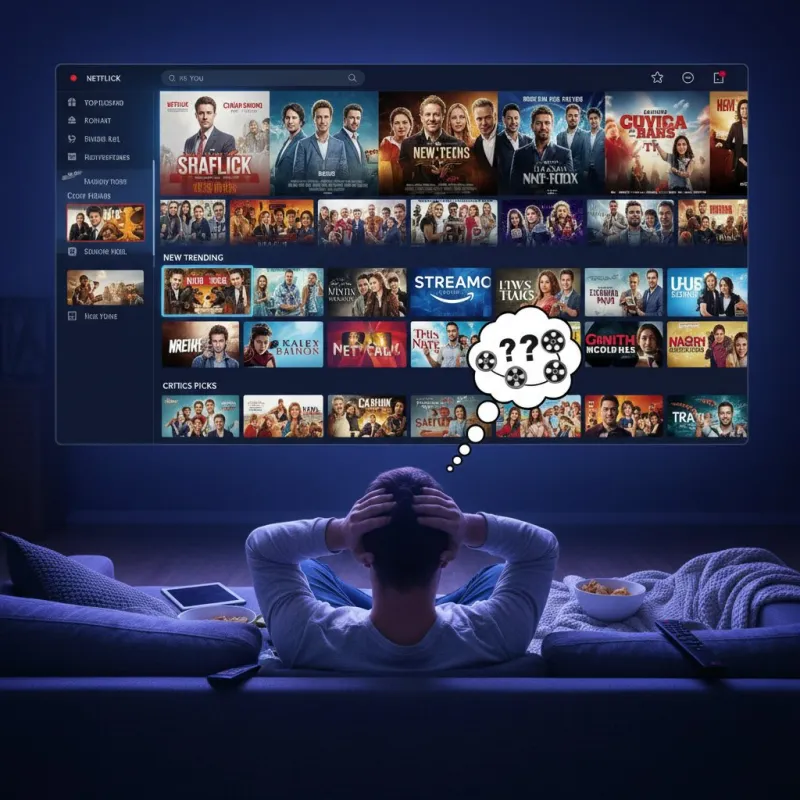
Own It or Lose It: Why Millennials Are Done Trusting Streaming Services With Their Favorite Shows
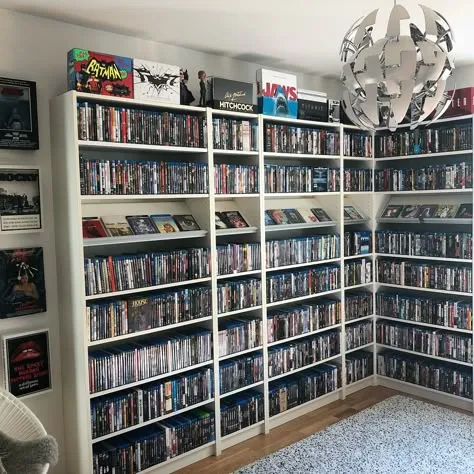
Photo: person organizing Blu-ray movie collection on shelf home entertainment, via i.pinimg.com
Remember the golden promise of streaming? One monthly fee, everything you love, available forever, on any screen. It was a beautiful idea. Then The Office disappeared from Netflix. Then Futurama hopped between platforms three times in five years. Then your favorite indie film quietly vanished from a service you were actively paying for — with zero warning and zero refund.
Millennials, who were the first generation to enthusiastically ditch their DVD collections in favor of streaming, are starting to feel burned. And a surprising number of them are responding the way their parents might have: by owning stuff again.
The Catalog Problem Nobody Warned You About
When you subscribe to a streaming service, you're not buying access to a fixed library. You're renting access to a constantly shifting collection of content that lives and dies by licensing agreements, corporate mergers, and executive decisions made in boardrooms you'll never see the inside of.
That's a problem that's gotten significantly worse over the past few years. The streaming wars created a scramble for exclusive content, which means shows and movies that used to live comfortably across multiple platforms are now locked behind specific paywalls — or pulled entirely when deals expire. HBO Max (now just Max) famously removed dozens of original titles from its own platform in 2023 as a cost-cutting measure. Those shows didn't move somewhere else. They just... stopped existing in the streaming world.
For casual viewers, that's annoying. For people who genuinely love a piece of media and want to revisit it on their own timeline? It's a dealbreaker.
The Blu-ray Comeback Nobody Saw Coming
Physical media was supposed to be dead. Instead, 4K Blu-ray sales have held surprisingly steady, and a dedicated enthusiast community has grown up around the format — particularly among millennials in their 30s who grew up during the DVD era and remember what it felt like to actually own something.
The appeal isn't just nostalgia. A 4K Blu-ray disc typically offers better video and audio quality than any streaming version of the same film. There's no compression, no buffering, no algorithm deciding to downgrade your stream because three other people in your house are also online. You put the disc in, and you get the best possible version of the movie. Full stop.
Collectors have also been drawn in by the packaging — special editions with physical booklets, director's commentary tracks, and bonus features that streaming platforms routinely strip out. For film lovers, it turns out there's genuine value in a physical object that a library of digital thumbnails just can't replicate.
The catch, of course, is that physical media requires physical space and a player that a lot of people threw away five years ago. But for those willing to reinvest, the payoff is real.
Digital Storefronts: A Middle Ground That's Actually Pretty Good
Not everyone wants to fill a shelf with Blu-ray cases. That's fair. But there's a growing middle-ground option that more cord-cutters are turning to: purchasing digital copies through storefronts like Apple TV, Vudu, Amazon Prime Video, and Google Play Movies.
The pitch here is simple. You pay a one-time fee — usually somewhere between $5 and $20 depending on the title — and that movie or show is yours. It shows up in your digital library, it follows you across devices, and it doesn't disappear when a licensing deal collapses.
There are legitimate caveats worth knowing. Digital purchases aren't quite as bulletproof as physical ones — if a storefront shuts down (which has happened before, most notably with Microsoft's Movies & TV service), your library can be at risk. Services like Movies Anywhere help by letting you link purchases across multiple platforms, which adds a meaningful layer of protection. But it's still not the same as holding a disc in your hand.
Still, for frequently rewatched titles, the math often makes sense. If you've streamed Interstellar six times across three different platforms, spending $15 to own it permanently is probably the smarter play.
The DRM-Free Movement: The Niche Option With a Loyal Following
For the most committed members of the digital ownership camp, DRM-free content is the holy grail. DRM — digital rights management — is the technology that prevents you from copying or transferring files you've purchased. Strip that away, and you have a video file you can store on a hard drive, back up to a cloud service of your choosing, or play on any device without needing a specific app or platform.
Legal DRM-free video content is harder to find than DRM-free music (Bandcamp built a whole business model around it for audio), but it exists. Some independent filmmakers sell DRM-free downloads directly through their websites. Platforms like Vimeo On Demand have offered DRM-free options for certain titles. It's a niche within a niche, but the community around it is passionate and growing.
The appeal is straightforward: if you truly own a file, no company can take it from you. That's a level of control that no streaming subscription — no matter how cheap or how feature-rich — can offer.
What This Means for the Average Cord-Cutter
You don't have to go full archivist to benefit from this shift in thinking. The real takeaway for most cord-cutters is simpler: stop assuming that streaming means permanent access, and start being more intentional about the content that actually matters to you.
For casual viewing — catching up on trending shows, sampling new releases, background entertainment — streaming subscriptions still make total sense. That's what they're built for. But for the movies and shows you genuinely love and plan to revisit, it might be worth asking yourself whether renting access indefinitely is really the best use of your money.
A hybrid approach is probably where most people will land. Keep a couple of core streaming subscriptions for discovery and new content. Build a modest digital library of owned titles for the stuff you can't imagine losing. Maybe grab a Blu-ray or two of the films that really matter to you.
The streaming era isn't over — not even close. But the idea that streaming alone is enough? That myth is quietly dying, one vanished title at a time.
The Bigger Picture
There's something almost poetic about millennials, the generation that enthusiastically killed Blockbuster, now rebuilding the concept of a personal media collection from the ground up. It's not anti-streaming sentiment so much as a hard-earned realism about what these platforms actually are: incredibly convenient, genuinely valuable, and completely unreliable as a long-term home for content you care about.
Cutting the cord was always about taking control of your entertainment on your own terms. Turns out, for a lot of people, that journey doesn't end with a streaming subscription. It ends with a hard drive full of films you know will still be there tomorrow.