Forget Netflix: How Niche Streaming Services Are Winning Over Cord-Cutters One Genre at a Time
For a while there, the pitch was simple: cut cable, grab Netflix, maybe toss in Disney+, and you were set. The dream of one or two apps replacing a $150-a-month cable bill felt genuinely revolutionary. But somewhere between the password crackdowns, the endless price hikes, and the algorithmic rabbit holes leading you to yet another mediocre true-crime docuseries, something shifted.
Viewers started asking a different question. Not "which big service should I subscribe to?" but "which service actually has what I want?"
The answer, increasingly, is none of the big ones — at least not by themselves.
The Big Four Aren't Delivering the Way They Used To
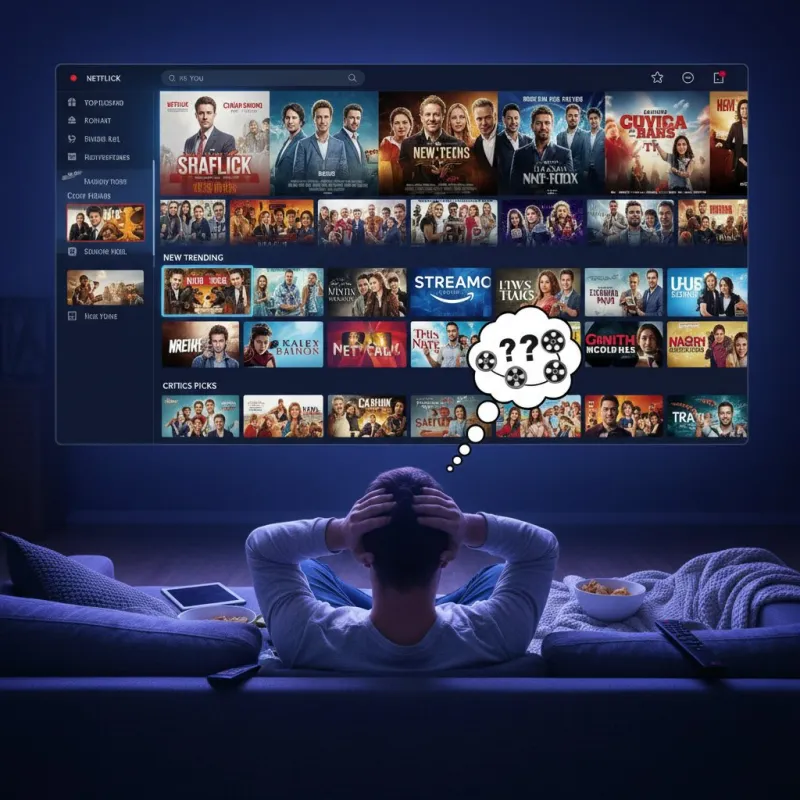
Netflix, Disney+, Hulu, and Max have collectively spent billions chasing the same audience with the same broad-appeal strategy. The result is a content landscape that feels simultaneously overwhelming and oddly hollow. There's a lot of stuff — but finding something that genuinely speaks to your taste has started to feel like a part-time job.
And the numbers are starting to reflect that frustration. Subscription fatigue is real. Churn rates — the industry term for how often people cancel — have been climbing across all the major platforms. People are signing up, binging one show, and bouncing. It's become a running joke at this point.
Meanwhile, a quieter revolution has been building on the edges of the streaming world.
The Rise of the Specialist
Niche streaming services — platforms built around a specific genre, community, or content type — have been growing steadily, and they're starting to pull serious subscriber numbers.
Take Criterion Channel. If you're a film buff, it's basically a religious experience. For around $11 a month, you get access to one of the most carefully curated libraries of classic, foreign, and independent cinema anywhere online. No algorithm pushing you toward whatever's trending. Just great movies, thoughtfully organized, with context and supplemental content that actually deepens your appreciation. Cinephiles who once tolerated Netflix's shrinking art-house section have found a real home here.
On the completely opposite end of the spectrum, Shudder has quietly become the go-to destination for horror fans. AMC's genre-focused platform doesn't try to be everything — it just commits hard to one lane and executes brilliantly. Exclusive originals, deep cult archives, curated themed collections. Horror fans aren't just subscribing; they're loyal in a way that Netflix subscribers rarely are.
Then there's Peacock, which has carved out a genuinely strong identity around live sports and legacy NBC content. Between Premier League soccer, WWE, Sunday Night Football simulcasts, and a deep well of reality TV, it's become a go-to for viewers who know exactly what they want and don't need a hundred other categories cluttering up the interface.
MUBI offers a rotating selection of acclaimed international and indie films — only 30 titles available at any given time, which sounds limiting until you realize how liberating it actually feels compared to decision paralysis. BritBox has cornered the market on British drama and comedy enthusiasts. Crunchyroll dominates anime. Hallmark Movies Now has a dedicated audience that would probably choose it over any other service without hesitation.
These aren't fringe players anymore. They're thriving.
Why This Fragmentation Actually Works in Your Favor
Here's the thing the big streamers don't want you to think too hard about: you don't actually watch most of what you're paying for.
Studies consistently show that the average streaming subscriber watches content from a small fraction of a platform's total library. You're paying for thousands of titles but cycling through maybe a few dozen that genuinely interest you. The Big Four have been banking on the psychological comfort of having options — even if you never use most of them.
Niche platforms flip that math entirely. When you subscribe to Shudder, you know what you're getting. When you pay for Criterion Channel, every title in that library was put there intentionally, for you. There's no filler. The value-per-dollar calculation starts looking very different.
And here's the real kicker: most of these specialized services cost significantly less than the major platforms. Stacking two or three niche subscriptions — say, Shudder at $6/month, MUBI at $14/month, and Peacock Premium at $8/month — can still come in under the price of a single Netflix Standard plan. And you'd be watching content you actually care about, on platforms that actually understand your taste.
The Community Factor Nobody Talks About
There's another dimension to the niche streaming boom that doesn't get enough attention: community.
When you subscribe to a service built around a specific passion — horror, anime, classic film, British television — you're joining a tribe. These platforms foster a sense of shared identity that the algorithmic behemoths simply can't replicate. Shudder has a fanbase that talks about the platform the way people used to talk about their favorite video rental store. Criterion subscribers have entire subreddits, podcasts, and Discord servers built around the shared experience of working through the collection.
That kind of engagement creates loyalty. And loyalty, in a world of infinite content options, is genuinely rare.
How to Build Your Own Niche Streaming Stack
If you're ready to start customizing your streaming diet, here's a practical way to think about it:
Start with your actual habits. What do you find yourself searching for most? Sports? Horror? International cinema? Anime? Reality TV? Be honest. Your streaming stack should reflect how you actually spend your evenings, not some idealized version of the well-rounded viewer you think you should be.
Audit what you're already paying for. Pull up your bank statement and look at your current subscriptions. How often do you actually open each one? If a platform hasn't been launched in two weeks, it's a candidate for cancellation.
Replace broadly with specifically. Instead of keeping a $22/month Netflix subscription for the three shows you actually watch, consider whether a cheaper niche platform covers those same needs — or better ones.
Use free trials strategically. Most niche platforms offer 7-to-30-day trials. You can legitimately test three or four services in a single month before spending a dollar.
Stay flexible. One of the great advantages of streaming over cable is that there's no contract. Subscribe when a platform has something you want, cancel when it doesn't. Niche platforms tend to have concentrated release windows — Shudder goes hard around Halloween, for instance — so seasonal subscriptions are a totally valid strategy.
The Bigger Picture
What's happening in streaming right now is actually a pretty healthy market correction. The early cord-cutting era overcorrected toward consolidation — the idea that a handful of mega-platforms would satisfy every viewer. That was always a little naive.
Taste is specific. Passions are specific. The viewers who have figured that out are building smarter, cheaper, more satisfying streaming setups than anything the Big Four ever promised them.
Cutting the cord was just step one. Cutting the cord mentality — the idea that you need one massive service to do everything — might be the move that actually sets you free.