Sketchy Streams, Real Consequences: The Dark Side of Cheap Streaming You Need to Know About
Let's be honest about something the streaming industry doesn't love to admit: people aren't turning to piracy because they're criminals. They're turning to it because paying $18 a month for Max, $17.99 for Netflix, $13.99 for Hulu, and $7.99 for Paramount+ — and still not having everything they want to watch — feels absurd. The math of cord-cutting, which was supposed to save everyone money, has started looking uncomfortably similar to the cable bill people fled.
So yeah, the gray market is booming. Unauthorized IPTV services, cracked account resellers, and sketchy streaming sites are thriving in the gap between what consumers want and what the industry is willing to offer at a reasonable price. Understanding how this ecosystem works — and what it actually costs the people using it — is something every cord-cutter should know.
What's Actually Out There
The unauthorized streaming world isn't a single thing. It's a layered ecosystem with different levels of risk and legitimacy.
At the most casual end, there are free streaming sites that host pirated content with ad-supported models. These have existed for decades in various forms and most Americans have stumbled across one at some point. They're annoying, often unreliable, and loaded with aggressive advertising.
More sophisticated are IPTV services — subscription-based platforms that charge monthly fees (often $10–20) and offer thousands of live channels and on-demand content, including premium cable channels, sports packages, and international programming. These look and feel like legitimate services. Some even have slick apps and customer support. But they're operating without licensing agreements, which means the content creators and rights holders see none of that money.
Then there's the account-sharing resale market. After streaming services cracked down on password sharing, a cottage industry emerged around reselling access to legitimate accounts — either through compromised credentials or through organized account-farming schemes. Buyers think they're getting a deal. What they're often getting is access that could disappear at any moment, or worse, an account that was obtained through fraud.
The Security Risk Nobody Talks About Enough
Here's where it gets genuinely serious. The legal risk of using an unauthorized streaming service in the U.S. is real but relatively low for individual consumers — enforcement actions have historically targeted distributors, not end users. The security risk, however, is immediate and personal.
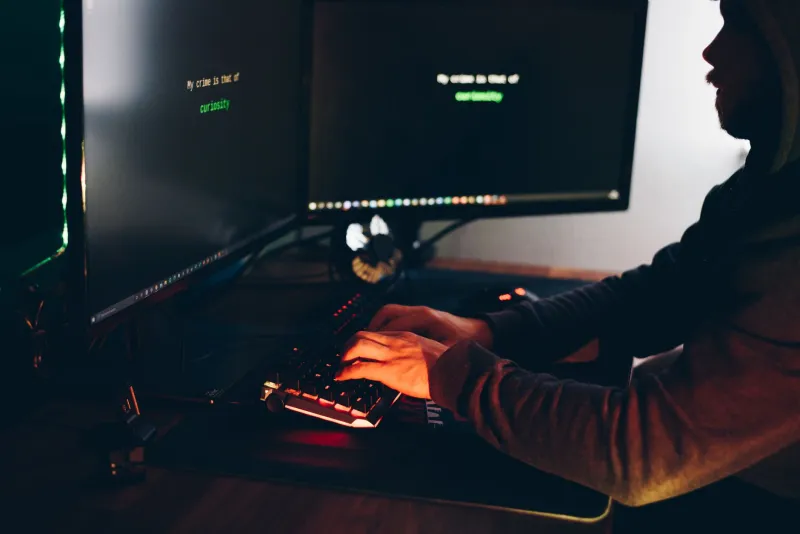
Many illegal streaming apps and sites require you to install software or grant device permissions that open the door to malware. Cybersecurity researchers have documented cases where piracy apps bundled spyware, keyloggers, and credential-harvesting tools alongside the actual streaming content. You're watching a stolen movie while something quietly collects your banking passwords in the background.
Gray-market account resellers present a different risk. When you buy access to a "shared" streaming account from a third-party seller, you're often handing your payment information to someone operating outside any regulatory oversight. Chargebacks are complicated. Refunds don't exist. And if the account credentials you purchased were themselves obtained through phishing or data breaches, you may be receiving stolen property — a legal exposure that's easy to overlook when you're just trying to save $15 a month.
Free streaming sites are notorious for malvertising — ads that execute malicious code simply by loading in your browser. Ad blockers help, but they're not foolproof, and some piracy sites have gotten sophisticated about circumventing them.
Why the Streaming Industry Shares Some of the Blame
It would be intellectually dishonest to cover this topic without acknowledging the industry's role in driving consumers toward these alternatives.
The fragmentation of content across a dozen different platforms — each with its own subscription, its own app, its own exclusive library — has created a system where accessing everything you want legitimately requires spending $80–100 a month or more. That's not cord-cutting. That's cable with extra steps.
Price hikes have been aggressive. Netflix's standard plan has more than doubled in price since 2015. Ad-free tiers across most major services now cost more than many people's gym memberships. Simultaneous crackdowns on password sharing removed a pressure valve that kept many borderline subscribers in the legitimate ecosystem.
When legal options feel inaccessible or unfair, people find workarounds. That's not an excuse — but it is an explanation that the industry would be wise to take seriously rather than simply litigating its way around.
The Legal Landscape for U.S. Consumers
In the United States, streaming pirated content exists in a legal gray zone that's different from downloading or distributing it. The Digital Millennium Copyright Act primarily targets those who host and distribute infringing content, not passive viewers. That said, "passive viewer" is a harder defense to make when you're paying a monthly subscription to an unauthorized IPTV service — that transaction starts to look more like participation in a commercial piracy operation.
The Department of Justice and ICE's Homeland Security Investigations unit have ramped up actions against IPTV operators in recent years. Operations like "Piracy Shield" internationally and various domestic enforcement actions have taken down major unauthorized services — sometimes with little warning, leaving subscribers suddenly without the service they paid for and with no recourse.
Using a VPN doesn't provide the legal protection many people assume it does. It can obscure your activity from your ISP, but it doesn't change the legal nature of what you're doing.
What Cord-Cutters Should Actually Do Instead
The frustration driving people toward unauthorized services is legitimate. The solution, though, isn't to accept the security and legal exposure. It's to get smarter about working the legitimate system.
Free, legal ad-supported streaming has genuinely improved. Tubi, Pluto TV, Peacock's free tier, and The Roku Channel offer massive libraries of content without a subscription. They're not perfect, but they're real alternatives for casual viewing.
Strategic subscription rotation — subscribing to one service for a month, bingeing what you want, then canceling and moving to the next — is legal, costs nothing extra, and lets you access most major platforms throughout the year for a fraction of simultaneous subscription costs.
Library cards in most U.S. cities now unlock Kanopy and Hoopla — legitimate, free streaming services with surprisingly strong catalogs, funded by your local library system.
The unauthorized streaming ecosystem is going to keep growing as long as the legitimate one keeps fragmenting and raising prices. But the risks attached to it — malware, fraud, stolen credentials, and the occasional federal investigation — are real in a way that a buffering spinner on a legit service simply isn't.
Stream smart. The savings aren't worth the exposure.